
While much of this work happens behind the scenes, we’re inspired by the build in public movement, which encourages transparency around building new things, from companies to products. Because of this inspiration, we would like to share not only the land acknowledgment we’ve built, but also the context and resources we’ve gathered to help us understand this statement within our work and lives.
Our Land Acknowledgment Statement
Br8kthru collaborated with a queer, Indigenous consultant, Jack Ballou, to write a land acknowledgment statement that was grounded in our Core Values and our team’s perspectives. This collaboration gave us an opportunity to reflect not only on the lands we occupy, but also our role in the continued support of the Dakota people. Read our full land acknowledgment below, then keep reading for more contextualization, information, and resources to expand your own knowledge. Br8kthru’s values are guided by empathy, continuous improvement, and collective accountability. As a step toward truth and reconciliation, we collectively recognize that Br8kthru’s office is located on the ancestral and contemporary homelands of the Dakota people. We acknowledge the land now known as Minneapolis, originally named Bde Ota, has been cared for and home to the Dakota people since time immemorial. Br8kthru team members understand community to be a space of collective support and connection. Similarly, we define home as a place where we feel safest. The essence of home lies in the bond our communities create with the land that supports us. Therefore, we recognize that in Bde Ota the roots of these sentiments run deepest in Dakota communities, which have historically faced colonial atrocities and removal from the land they have long called home.Br8kthru is committed to honoring the continued resilience of the Dakota people as families, nations + communities work to reclaim stolen language, culture + land. Br8kthru honors and affirms the sovereignty of tribal nations and communities. We pledge to actively seek avenues of supporting Dakota reclamation and restoration efforts, grounded in our team’s values of continuous improvement, empathy, and collective accountability.
The Foundation of Land Acknowledgment: We Occupy Dakota Land
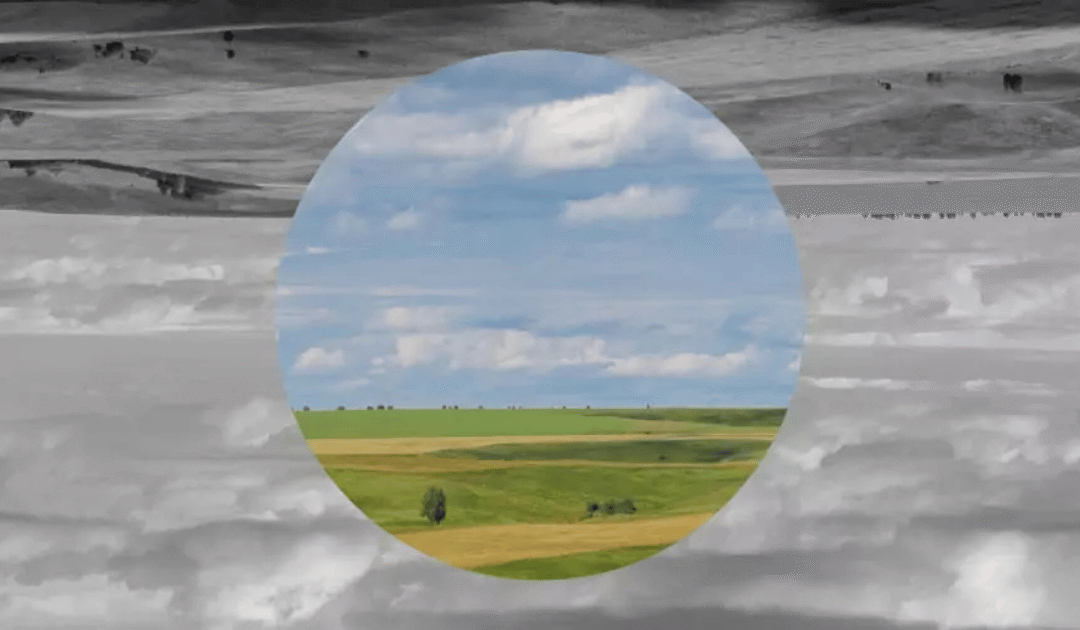
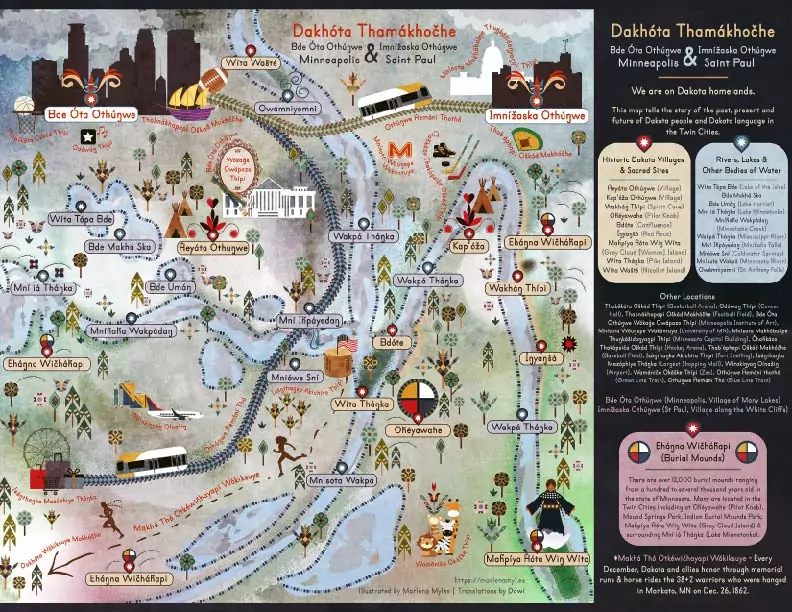
A key aspect of an effective land acknowledgment statement is the public recognition of the Indigenous people who have been stewards of the land we occupy. “As a step toward truth and reconciliation, we collectively recognize that Br8kthru’s office and homes are located on the ancestral and contemporary territory of the Dakota people.” Another important aspect of this work is the acknowledgment of the stewardship of the land by the Dakota people. They have cared for this land for thousands of years, and continue to do so. We also want to recognize the Indigenous names for our spaces, rather than the colonial replacements. “We acknowledge the land that is now known as Minneapolis, originally named Bde Ota, has been cared for and home to the Dakota people since time immemorial.” Throughout this process, we learned that Minnesota’s name originates from Mni Sota Makoce, which is Dakota for “land where the waters reflect the clouds.” Interested in knowing more surrounding original place names? View this Dakota Map of the Twin Cities.
Community, Home, and Land: How Our Values Impact Our Understanding
In order to ground ourselves in the land acknowledgment, and ensure we all understood — and felt connected to — its importance and relevance, we chose to begin by grounding in our own definitions of community and home. Our team members reflected on these words and what they mean to us, then used those reflections to ground ourselves. “Br8kthru team members understand community to be a space of collective support and connection. Similarly, we define home as a place where we feel safest.” With that understanding of “community” and “home” in mind, we were able to reflect on the communities around us, both interpersonally and with the land on which we live. “The essence of home lies in the bond our communities create with the land that supports us. Therefore, we recognize that in Bde Ota the roots of these sentiments run deepest in Dakota communities, which have historically faced colonial atrocities and removal from the land they have long called home.” This interrogation of community and home included the question, “Where do your roots run the deepest?” And we invite others to consider this question as they engage with diversity, equity, and inclusion work, and especially land acknowledgment. For us, Br8kthru’s office is located just 13 miles from Bdote, “where two waters come together,” the location of the Dakota people’s creation story. This same land was renamed Fort Snelling by Euro-Americans, where soldiers built a concentration camp to which over 1,600 Dakota people were forcibly removed. Imagine not only being forced to leave your home, but suffering atrocities at a location deeply sacred to your community. <For more resources on Dakota removal and erasure, we recommend the following: Dakota Land Removal and Ft. Snelling and History of Bdote.
Moving Forward with Intention + Commitment
We understand that one of the most important aspects of committing to DEI work is to follow through, not just with words, but with actions. Therefore, “Br8kthru is committed to honoring the continued resilience of the Dakota people as families, nations + communities work to reclaim stolen language, culture + land.” “Br8kthru honors and affirms the sovereignty of tribal nations and communities. We pledge to actively seek avenues of supporting Dakota reclamation and restoration efforts, grounded in our team’s values of continuous improvement, empathy, and collective accountability.” One of the important aspects of sovereignty to acknowledge is that Dakota people are still here. Native peoples are often reduced to sad narratives, ignoring not only resilience but existence. Consequently, did you know 40% of Americans think Native Americans are extinct? For more information on what it means to honor Native sovereignty, we recommend this resource. Rather than collaborate on this statement and call that “good enough,” we grounded our ongoing work in our Core Values — specifically, in collective accountability, continuous improvement, and empathy — to commit to action and accountability in our ongoing growth and development in this area. If you’re looking for ways to be more supportive, here is what Ballou recommended to us: “Research, read + listen! From Dakota artists, businesses, and writers, there are so many Native resources in Minnesota that need your support — whether that is volunteering, donating, or continuing to learn.” Learn more: Dakota Land Recovery + Dakota Language Revitalization.
Explore more insights in our latest blogs

From SEO to SXO: Why Search Experience Optimization Matters Now
Search is evolving at breakneck speed. For years, marketers relied on SEO (search engine optimization) and SEM (paid search) as their primary levers for visibility. But with the rise of AI-powered search experiences such as Google’s Search Generative Experience (SGE),...

Attribution Updates + Improvements for Paid Search – What Ecommerce Brands Need to Know
If you manage paid search campaigns and rely on Google Analytics to evaluate performance, you may start noticing some positive changes. In March 2025, Google announced an update to how paid search traffic is attributed in Google Analytics 4 (GA4)—and it’s particularly...
Revolutionize Manufacturing Marketing: Insights from IMTS 2024
The International Manufacturing Technology Show (IMTS) was the place to be for movers and shakers in the manufacturing space this year. From family-run machine shops to multi-national enterprises, manufacturers and partners of all kinds showed up for an amazing show....